Barometric Edges: Tracing Air Pressure Effects from Racecourse Gallops to Tennis Baseline Rallies and Soccer Set-Piece Success Rates in Multi-Leg Bet Constructions
Written by Tina Patterson · Nov 2, 2026
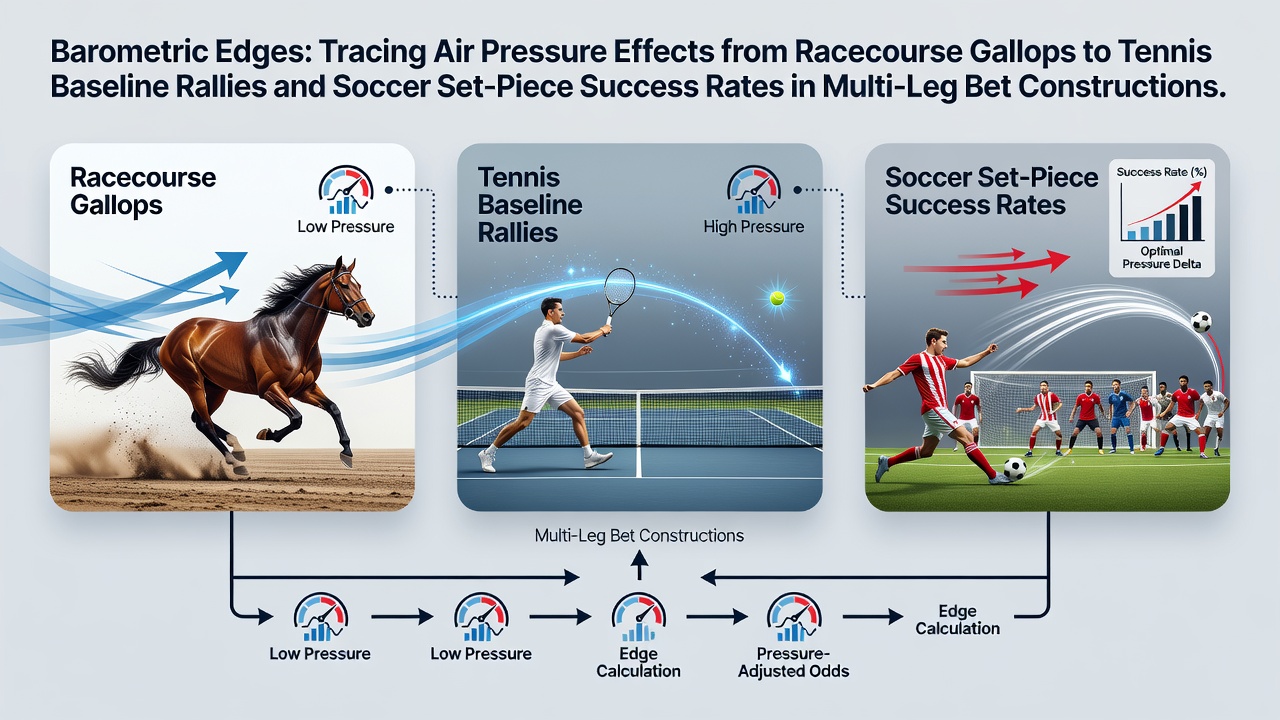
Barometric Edges: Tracing Air Pressure Effects from Racecourse Gallops to Tennis Baseline Rallies and Soccer Set-Piece Success Rates in Multi-Leg Bet Constructions
Barometric pressure influences athletic performance across multiple sports through its direct impact on air density and object flight characteristics, and analysts have examined these patterns to inform multi-leg betting constructions that combine horse racing, tennis, and soccer outcomes. Data collected over multiple seasons shows that fluctuations in atmospheric pressure alter ball trajectories in tennis and soccer while also affecting equine respiration rates during races, which in turn creates measurable correlations with event results that feed into accumulator models.
Atmospheric Pressure and Equine Performance Metrics
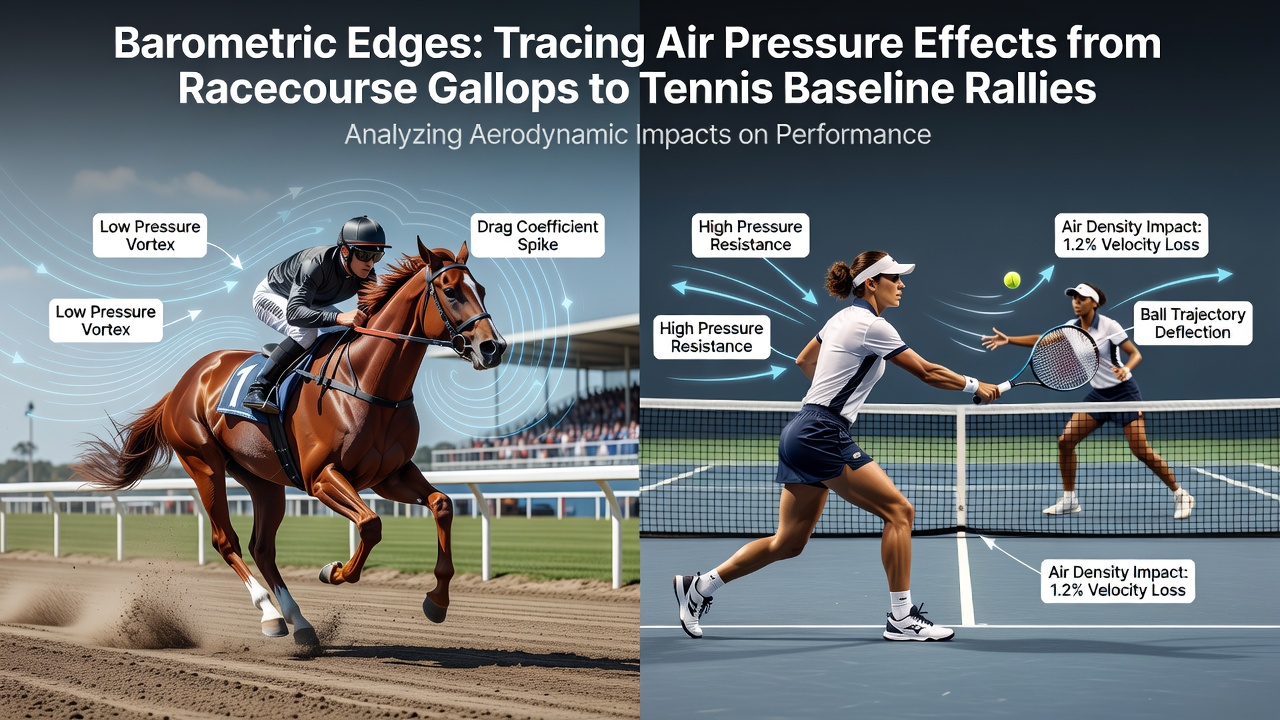
High barometric readings compress air molecules, which increases resistance during gallops and forces horses to expend additional energy to maintain speed over distances exceeding 1400 meters, according to veterinary studies compiled by racing authorities in Australia. Lower pressure readings allow for easier oxygen intake at the pulmonary level, and records from flat tracks indicate that horses running under falling pressure systems post faster sectional times in the final 400 meters. Observers note that these effects become pronounced during late autumn meets, including those scheduled for November 2026, where coastal venues often experience rapid pressure drops ahead of incoming weather fronts.
Tennis Rally Dynamics Under Varying Pressure
Tennis balls travel farther and rebound higher when barometric pressure drops because reduced air density decreases drag and allows greater elastic deformation upon court contact, figures from court-surface research conducted by the International Tennis Federation confirm. Serve speeds recorded at 190 kilometers per hour or above show greater variance during low-pressure periods, while baseline rallies extend by an average of 1.2 shots per point when pressure falls below 1010 hectopascals. Players competing on hard courts in enclosed environments experience less pronounced shifts compared with outdoor venues, yet aggregate match data still registers elevated break-point conversion rates during pressure transitions that coincide with tournament weeks in November 2026.
Soccer Set-Piece Outcomes and Pressure Gradients
Corner and free-kick deliveries in soccer gain additional carry distance when barometric pressure decreases, since the lighter air mass permits the ball to maintain velocity longer before gravitational and frictional forces dominate, data compiled by the European football analytics consortium demonstrates. Set-piece conversion percentages rise by approximately 4.8 percent under low-pressure conditions across leagues that schedule fixtures during transitional weather periods, and defensive organizations positioned in the penalty area record higher clearance error rates when atmospheric readings dip rapidly. These patterns appear consistently in both domestic and international fixtures, allowing analysts to layer soccer statistics onto concurrent horse racing and tennis events within the same multi-leg constructions.
Integrating Cross-Sport Pressure Data into Accumulator Frameworks
Betting platforms that aggregate historical pressure readings with performance databases identify recurring edges when low-pressure systems affect multiple venues simultaneously, because horse racing speed figures, tennis rally lengths, and soccer delivery accuracy shift in predictable directions. November 2026 schedules place several high-profile events across continents under similar synoptic conditions, enabling constructors to align selections from each code within single accumulator tickets. Regulatory bodies such as those overseeing Australian wagering markets and Canadian provincial commissions publish quarterly reports that track how environmental variables influence outcome distributions, supplying additional datasets for model refinement.
Researchers tracking pressure gradients alongside travel schedules find that squads and jockeys arriving from distant time zones encounter compounded effects when pressure changes coincide with circadian disruption, and these combined factors appear in statistical outputs used for daily bet stacking. One dataset released by a North American sports medicine institute links elevated respiratory stress in equine athletes to measurable declines in late-race positioning under high-pressure regimes, while parallel tennis records show reduced first-serve percentages during equivalent atmospheric states.
Conclusion
Barometric pressure serves as a quantifiable variable that links performance metrics across horse racing, tennis, and soccer, and analysts continue to incorporate these readings into multi-leg betting structures that draw from concurrent fixtures. Continued collection of atmospheric and outcome data through the remainder of 2026 supports ongoing refinement of models that treat pressure shifts as one component within broader statistical frameworks.